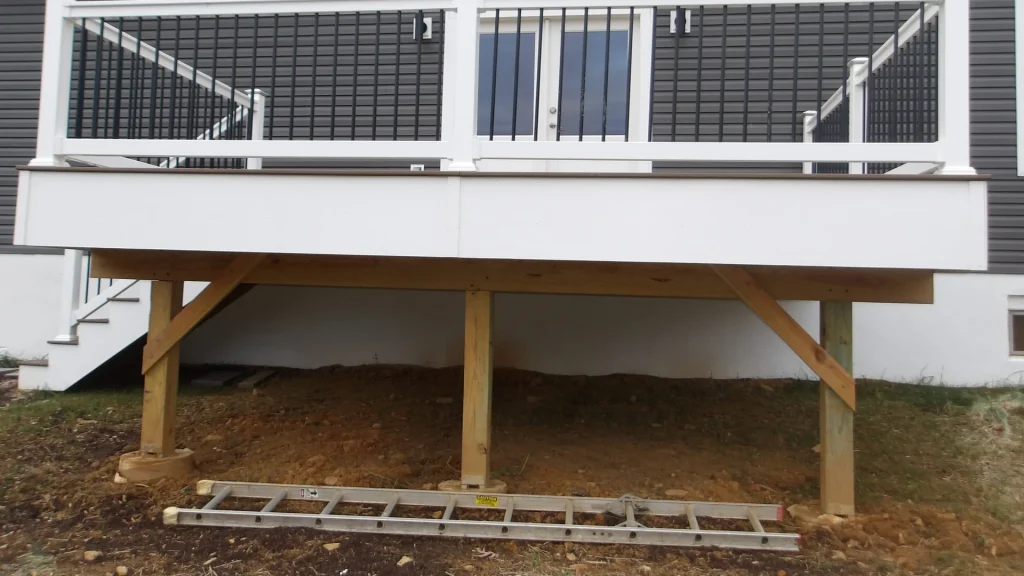
Start with the access. If the house you’re buying has a crawl space, find out where that access is and whether the inspector could get into it. InterNACHI’s Standards of Practice say the inspector shall inspect the crawl space and report certain observed conditions. That’s the shape of a crawl space inspection. But the Standards don’t require the inspector to enter one that isn’t readily accessible. So the access shapes what your written report can tell you.
So read the access line carefully. A report line saying the crawl space wasn’t accessible is a gap in what you know. It isn’t a clean result. Under the Standards, a home inspection is a non-invasive, visual examination of the accessible areas. The inspector isn’t required to move stored items out of the way. If you’re an owner shopping for crawl space work, there are no repair steps here. This is general information, not safety, legal or insurance advice.
What Does a Crawl Space Inspection Cover?
InterNACHI’s Standards of Practice say the inspector shall inspect the crawl space. They also say the inspector shall describe where the access to the under-floor crawl space is. The Standards list conditions to report as in need of correction: observed wood in contact with or near soil, observed active water penetration, and observed indications of possible foundation movement.
During a home inspection, one of our licensed inspectors performs a visual examination of the structure and all major systems. We document every finding with photographs. Nothing is left to guesswork. If you’re wondering how the crawl space shows up in writing, ask what the written report will say about it.
Another section of the Standards covers insulation and ventilation in unfinished spaces. Crawl spaces are on that list. It says the inspector shall inspect both. It also says the general absence of insulation or ventilation gets reported as in need of correction.
On the same subject, our guide to what a home inspector looks for says crawl spaces show moisture and the underside of the floors above. It also says crawl spaces are entered where safely accessible and reviewed for moisture and damage.
Will the Inspector Go Into Every Crawl Space?
No. The Standards say the inspector isn’t required to enter any crawl space that isn’t readily accessible. The same goes for one where entry could cause damage or pose a hazard to the inspector. The inspector isn’t required to move stored items or debris. They define a home inspection as a non-invasive, visual examination of the accessible areas.
Because the Standards have the inspector describe where that access is, you can ask about it ahead of time. Ask the seller. Ask your real estate agent. Where’s the crawl space access, and does anything sit in front of it? Put that question in writing before the inspection.
Water outside the house is its own topic. For that, our post on reading the water findings in a report says grading decides where roof and yard runoff goes first. Those outside findings sit apart from what the Standards say about the crawl space.
What to Ask the Seller About the Crawl Space
Picture a listing that says the house has a crawl space and leaves it at that. You don’t know where the access is. You don’t know what the seller has seen down there. Written questions close some of that distance.
Put them in writing early, while the contingency clock is still running. A crawl space’s history may be known to the seller. So start there.
- Where is the access to the crawl space, and is anything stored in front of it?
- What do you know about the crawl space and its history?
- Has water ever been reported in the crawl space?
- Has any work been done down there, and is there paperwork for it?
- Is there an earlier inspection report that covered the crawl space?
A written answer gives you something specific to bring to the inspection. Questions about the agreement of sale are for your real estate agent. Repair questions are for a qualified contractor.
What If the Report Says the Crawl Space Wasn’t Accessible?
Read it as a gap in what you know, not a clean result. The Standards don’t require the inspector to enter a crawl space that isn’t readily accessible. They don’t require moving stored items out of the way. A visual inspection can report what is visible on the day. That line records that the space wasn’t entered.
Ask your inspector what was visible and why the space wasn’t entered. Ask the seller what they know about it. Then talk with your real estate agent about the next step. Cost questions belong with the right professional, not with the report.
Frequently Asked Questions About Crawl Spaces
Does a home inspection include the crawl space?
The Standards have the inspector inspect the crawl space and describe where its access is. They define a home inspection as a non-invasive, visual examination of the accessible areas. Our licensed inspectors perform a visual examination of the structure and all major systems, and every finding is documented with photographs.
What happens if the crawl space is blocked or too tight?
The Standards say the inspector isn’t required to enter a crawl space that isn’t readily accessible. The same holds where entry could cause damage or pose a hazard to the inspector. Moving stored items or debris isn’t required. The report records what could be seen. Ask the seller what they know, then ask your real estate agent about the next step.
Which conditions do the Standards list for a crawl space?
The Standards list observed wood in contact with or near soil as a condition to report as in need of correction. They also list observed active water penetration, and observed indications of possible foundation movement. A separate section adds the general absence of insulation or ventilation in unfinished spaces. Crawl spaces are among those spaces.
Does the inspector move insulation or stored items?
The Standards say the inspector isn’t required to move stored items or debris. They also say the inspector isn’t required to move, touch or disturb insulation. So a report covers what was visible without anything being moved. What’s stored down there, or covered over, is a question for the seller.
Who answers repair questions about a crawl space?
A qualified contractor. Questions about the agreement of sale are for your real estate agent. A written inspection report gives you something specific to bring to either one, since every finding is documented with photographs. Cost is a question for the right person, not something a report settles.
Ask About the Crawl Space Before You Close
Inspection Professionals’ written report documents every finding with photographs and is delivered within 24 hours, so you can see the evidence for each finding rather than a summary.
As a general rule, a written report gives you something specific to raise with the seller about the crawl space. It can say whether the space was entered and what the inspector could see.
A full home inspection is the written report to have in hand while you ask.
If you’re buying in Bucks County, Montgomery County, Philadelphia or Delaware County, contact Inspection Professionals to talk through what a full written home inspection documents before you weigh a crawl space inspection in a house you want to buy.