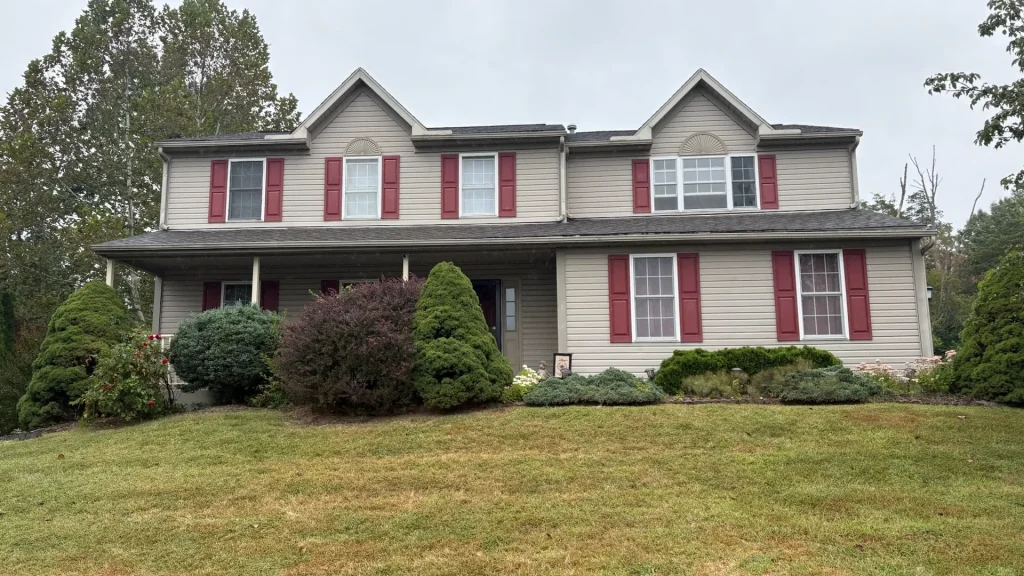
Here’s the short answer on buying a house as is: the label alone doesn’t switch off your home inspection. For the sellers Pennsylvania’s law covers, it doesn’t switch off the seller’s disclosure statement either. What the label means in your deal is whatever your contract says. So ask the seller’s side in writing what it covers, and get a full written home inspection inside your contingency window. That’s how you turn a vague label into answers you can act on.
The risk sits in how you read the label. Treat it as the end of the conversation, or assume a disclosure statement is on its way, and you can close on an as is house with less information than the buyer of an ordinary listing, with your inspection contingency spent and no written question ever put to the seller. This is general information for buyers, not engineering, legal or financial advice.
What Does As Is Mean in a Pennsylvania Home Sale?
The Pennsylvania Association of Realtors‘ column from its legal hotline says the words as is, “by themselves, have no universal meaning”. In plain terms, the label means whatever you and the seller agreed in your deal. So look for the answer in your agreement and in the seller’s written replies.
The column describes how each side can read the label differently. A seller may think it wipes out the buyer’s inspection options. A buyer may think the right to terminate, or to send a written corrective proposal, is still there. That buyer may see the label as only a “likely unwillingness to do repairs if asked”. The column says the standard Agreement of Sale already has “explicit, comprehensive language” on a buyer’s ability to elect or waive certain inspections. It says adding as is wording without addressing that language creates confusion.
The column’s fix is a plain English conversation. The parties keep talking until both can say the same sentences about what they’re agreeing to, before anyone turns it into contract wording. For you as the buyer, that starts with a written question. Ask the seller’s agent what the seller means by as is for repairs, credits and the inspection. Then read the agreement’s inspection paragraph with any as is wording beside it. What a clause means is a question for a real estate attorney. Questions about the agreement’s deadlines go to your real estate agent.
Does an As Is Sale Skip the Seller’s Disclosure Statement?
Not according to the column. The column says sellers sometimes claim as is language overrides the need to provide a seller disclosure form, and its answer is “It doesn’t.” The column says that in most residential real estate transactions, the form “shall be delivered to buyer”. The label doesn’t settle that question for the seller.
Pennsylvania’s Residential Real Estate Transfers Law says it covers a transfer of “not less than one nor more than four residential dwelling units”. The same law says it doesn’t apply to a transfer pursuant to court order, including “transfers ordered by a probate court in the administration of an estate”. It also leaves out a transfer “by any foreclosure sale after default in an obligation secured by a mortgage”. And it leaves out a transfer by a lender that took the house at a foreclosure sale or that “has acquired the real property by a deed in lieu of foreclosure”.
So if the seller is an estate or a lender, ask the seller’s agent in writing whether a disclosure statement will be delivered. If not, ask which exception applies. Don’t assume it either way. As a general rule, if no statement arrives, your written inspection report is your own record of what the inspector could see.
The same law defines a material defect as “A problem with a residential real property or any portion of it that would have a significant adverse impact on the value of the property or that involves an unreasonable risk to people on the property.” It adds that a system near, at or beyond the end of its normal useful life “is not by itself a material defect.” So a seller’s disclosure may not flag a roof or a furnace simply because it’s old. That’s another reason to see the house’s equipment through an inspector’s eyes.
What Can You Check When You’re Buying a House As Is?
You can still check the house itself. A full written home inspection is yours to schedule inside your inspection contingency. One of our inspectors performs a visual examination of the structure and all major systems. We document every finding with photographs, so nothing is left to guesswork.
We evaluate the roof, foundation, electrical panel, plumbing, HVAC, insulation, windows, doors and much more. The report grades every system and flags items needing immediate attention or future monitoring. It’s delivered within 24 hours.
Keep the limits in view, too. Even a thorough inspection is a visual, non-invasive look at accessible components on a single day. So the report is a record of the house on the day it was inspected. It isn’t a promise about later.
If the utilities will be off at the address, our post on settling the inspection plan when utilities are off covers how to plan the visit. An inspection without utilities still produces a full written report. When a system can’t be operated, the report says so and explains why.
Inside your contingency window, work through these steps:
- Ask the seller’s agent in writing what as is covers for repairs and credits, and whether it touches your inspection.
- Ask whether a seller’s disclosure statement will be delivered and, if not, why.
- Schedule the full written inspection inside the contingency window.
- Ask your real estate agent how the agreement handles “repair requirements that may be imposed by other entities such as the lender, insurance company and/or municipality”, which the column says the parties need to address separately.
- Take the written report to your agent and decide, before the contingency ends, whether to accept the house as reported or to bring in a specialist and weigh the options your agreement gives you.
Our post on how the inspection contingency works covers the window and the buyer’s options once the report is in.
Which Flood Questions Can You Put to the Seller?
Ask the seller in writing about flood history, flood area status, flood insurance and past claims. A visual inspection can report only what’s visible and accessible on the day. A house doesn’t show any of those details. The seller’s written answers are where they come from.
Act 74 of 2026, approved October 22, takes effect 60 days after approval, on December 21, 2026. It adds a set of “flood risk indicators” to the Residential Real Estate Transfers Law. Each works as a written question you can put to the seller:
- Has the property previously experienced flood damage?
- Is the property in a special flood hazard area or moderate risk flood hazard area, “as determined by the Federal Emergency Management Agency”?
- Is the owner required to obtain and maintain flood insurance?
- Did the seller receive any form of governmental assistance for flood damage?
- Has the seller ever filed an insurance claim for flood damage, through a private insurance company or the National Flood Insurance Program?
These are fair questions for any seller, whether or not a disclosure statement is delivered. Share the written answers with your agent. Questions about flood insurance itself go to an insurance professional.
Frequently Asked Questions About Buying a House As Is
Can I still get a home inspection on an as is house?
The label by itself doesn’t decide that. The column says the standard Agreement of Sale already has “explicit, comprehensive language” on a buyer’s ability to elect or waive certain inspections, so read that paragraph with any as is wording and ask your agent how it applies. When we inspect, one of our inspectors performs a visual examination of the structure and all major systems.
Does the seller still have to give me a disclosure statement?
The column says an as is clause doesn’t override the need to provide the seller disclosure form. The Residential Real Estate Transfers Law lists transfers it doesn’t cover, including estate transfers ordered by a probate court and foreclosure sales. Sales by a lender that took the house at foreclosure or by a deed in lieu of foreclosure are on that list too, so ask in writing whether a statement will be delivered.
What does as is mean if my contract doesn’t spell it out?
The column says the words by themselves have no universal meaning, so the meaning is what you and the seller agreed. Talk it through in plain English with your agent and the seller’s agent, and put your questions in writing. Questions about what a clause means, or whether a seller’s answers met the law, are for a real estate attorney.
Can a lender or insurer require repairs on an as is house?
We don’t speak for any lender or insurer. The column says the standard agreement’s mortgage contingency and its paragraph on notices, assessments and municipal requirements each have a process for repair requirements that other entities may impose. It also says the parties still need to address those requirements. Ask your agent how your agreement handles them.
Does an inspection show whether the house is in a flood area?
A visual inspection can report only what’s visible and accessible on the day. Flood area status and past flood claims are among the flood risk indicators that Act 74 of 2026 adds to the Residential Real Estate Transfers Law, so put those questions to the seller in writing. Take questions about flood insurance to an insurance professional.
Get the Written Report Before You Decide
Inspection Professionals’ written report documents every finding with photographs and is delivered within 24 hours, so you can see the evidence for each finding rather than a summary.
Line up what the report documents and what the seller says in writing. Add what your agent and an attorney tell you about the contract. Together, those can show you whether to accept the house as reported, bring in a specialist or use the options your agreement gives you.
A full home inspection is the written report to have in hand while you decide.
If you’re buying a house as is in Bucks County, Montgomery County, Philadelphia or Delaware County, contact Inspection Professionals about a written inspection report for the house.